
Processed Foods
What's Up Today is processed foods. We will do a series on what they are, why they are bad for you, some common foods in this category, and healthy alternatives. These always seem to pop up in the news and aren't always clearly presented or defined for you. It's easy to just say "stay away from processed foods". But what in the world is that and what foods are considered processed? Hopefully, these newsletters will give you a basic understanding of them. As the saying goes, you are what you eat and for the early part of my life I would be a nacho cheese Dorito chip!
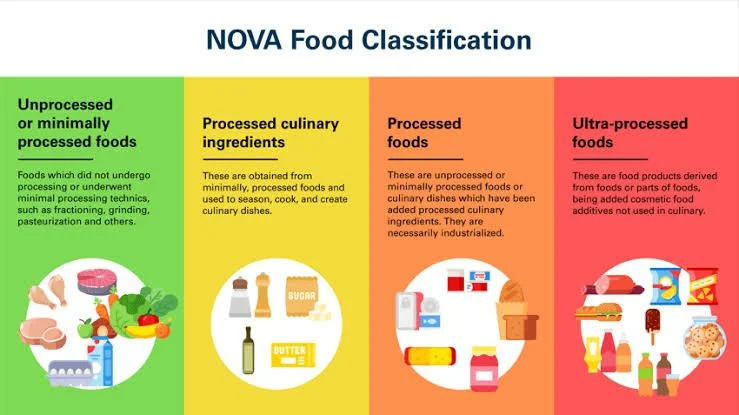
When most people hear the word processed, they immediately think "unhealthy." But the truth is, not all processed foods are bad for you. Understanding the difference between processed and ultra-processed foods is one of the most important steps you can take toward improving your long-term health.
What Is a Processed Food?
A processed food is simply a food that has been changed from its natural state to improve safety, convenience, or shelf life. This can include washing, freezing, cutting, drying, cooking, or canning.
Just because they are processed doesn't necessarily mean they are unhealthy. Some fairly healthy examples include:
Frozen fruits and vegetables
Plain Greek yogurt
Canned beans (especially low-sodium varieties)
Steel-cut or rolled oats
Unsalted nuts
Frozen fish and chicken
These foods retain most of their nutritional value while making healthy eating more convenient.
What Is an Ultra-Processed Food?
Ultra-processed foods go a step further. They are manufactured using refined ingredients and often contain added sugars, unhealthy fats, excess sodium, preservatives, artificial flavors, colors, sweeteners, and other additives that are rarely found in a home kitchen.
These products are designed to be inexpensive, convenient, last forever on the shelf, and highly appealing—but not necessarily nourishing.
Why Does It Matter?
Research has shown that people who eat large amounts of ultra-processed foods have a higher risk of obesity, type 2 diabetes, heart disease, high blood pressure, certain cancers, and cognitive decline. While no single food causes disease, diets built around ultra-processed foods tend to be lower in fiber, vitamins, minerals, and antioxidants, while being higher in calories, sugar, sodium, and unhealthy fats.
Over time, this combination can contribute to chronic inflammation, blood sugar imbalance, weight gain, and increased risk of many chronic illnesses.
The encouraging news is that you don't have to eliminate every processed food from your diet. The goal is simply to eat more foods that look like they came from nature and fewer foods that look like they came from a factory. Small, consistent changes can have a significant impact on your health over time.
Next month we will continue to dive into this topic and go into some common foods that are ultra-processed and some healthier alternatives. At Doc Healthcare we are your health and wellness experts, and are always ready to help you get, and stay, on a healthy track! Schedule an Adult Wellness visit today and get started!
